
At Exothermic, Reaction Injection Molding Plays Well with 3D Printing
Founded in 1972, Exothermic Molding Inc. began by serving specialized markets including medical...
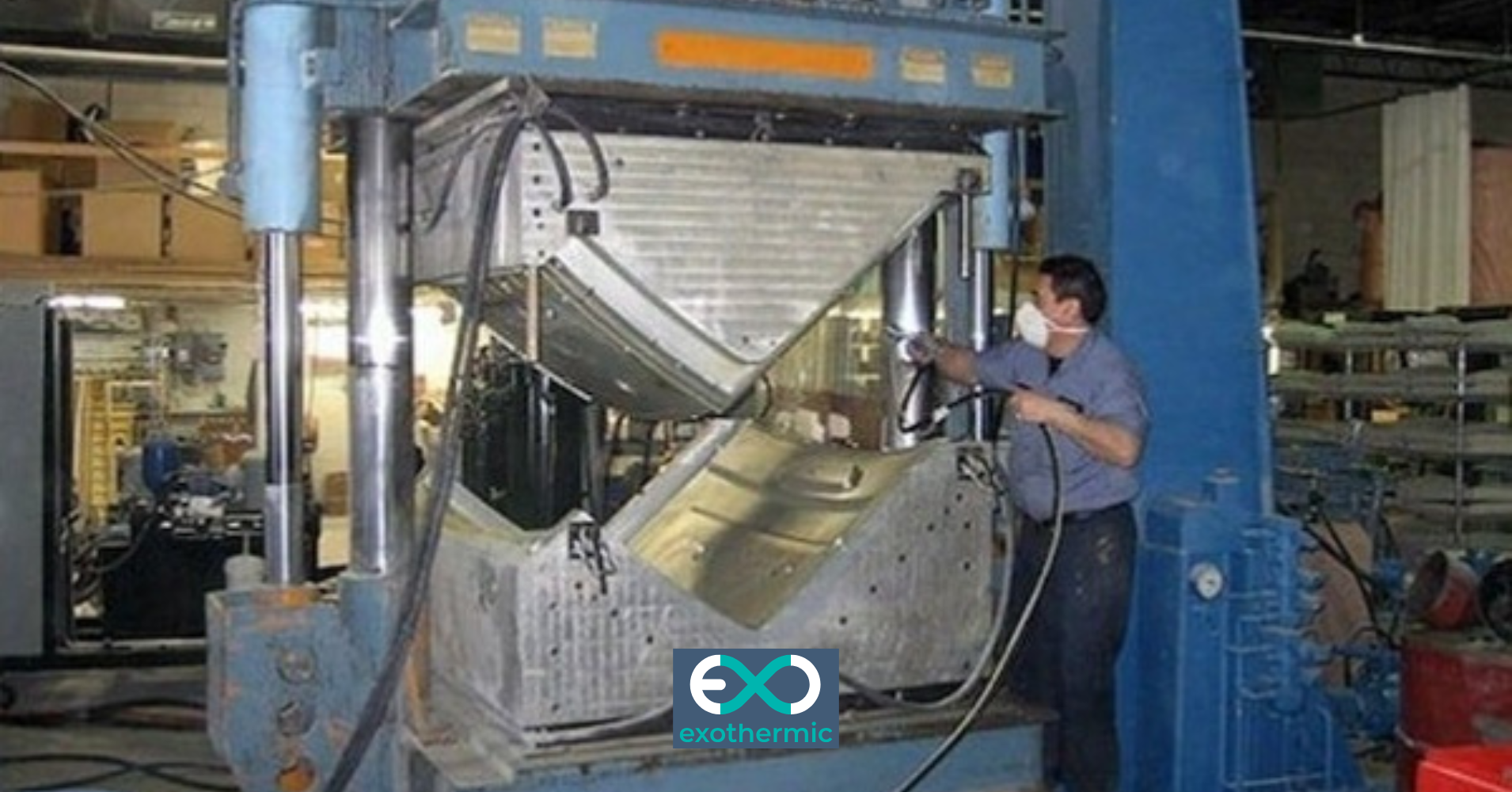
Part 2 of a 3-part series on onboarding new customers and their RIM programs.
A 1,200-pound aluminum mold lands on a loading dock at 7:30 in the morning. The transfer paperwork is signed. The chain of custody is documented. The previous supplier has been paid out, the old contract is closed, and the new contract starts now. Somewhere on the OEM's side, a sourcing manager exhales for the first time in three months.
Quick Answer: A transferred RIM mold is inspected, qualified on the receiving manufacturer's equipment, and validated against the customer's acceptance criteria before production scales. That onboarding window typically includes tool inspection, process tuning, cosmetic standard review, first-article inspection, and documentation of any repair or refurbishment needs.
That is the easy part.
The harder work runs through the next thirty days. What happens between the tool's arrival and the first article inspection determines whether the program runs cleanly for the next ten years or limps along generating quality complaints every quarter. For sourcing teams who have already done the work of selecting a new RIM supplier, this post covers what to expect on the receiving side.
A transferred RIM mold gets inspected before it gets installed. That inspection covers physical condition, parting line integrity, vent patency, gate dimensions, ejection system function, and any visible wear or damage that occurred during transfer or that was already present at the previous shop.
This step matters more than most sourcing teams expect.
A mold built fifteen years ago for a different press has accumulated a history. Repairs, weld-ups, modifications, polish work, all of it. Some of it is documented in the records that came with the tool. Most of it isn't. The receiving manufacturer has to map what's actually there before any production decisions get made. A clean inspection at the front end prevents the slow, expensive surprises that come up otherwise on the third or fourth production run.
For procurement teams, the value of this step is risk visibility. The inspection produces a written assessment of the tool's condition. That document becomes the baseline for everything that follows: pricing, expected mold life, refurbishment recommendations, and any responsibility allocation between the customer and the new supplier.
A RIM mold built for one press does not always behave identically on another. Press tonnage, temperature control systems, mix-head pressures, and material delivery all vary between shops. Two presses rated to the same spec can produce different parts off the same tool because the surrounding equipment isn't identical.
This is why qualification runs exist.
When the tool first installs at the new shop, the process engineering team runs sample shots and adjusts mold temperature, material temperature, shot size, and cycle time. The first parts off the tool may not look right. The team is calibrating, not failing. After a series of process adjustments, the tool settles into a stable operating window on the new equipment.
The variables that move during this phase include cooling line flow rates and temperatures, gate timing and pressure, shrinkage allowance against the original drawing, and finish tuning if the customer expects automotive-grade or specific texture work post-mold. By the time first-article inspection runs, the parts coming off the tool should match the customer's existing acceptance criteria. If they don't, refurbishment or modification gets discussed before production scales.
Production qualification on a transferred RIM mold typically runs two to four weeks from arrival to approved first article, depending on tool complexity, condition at arrival, and the customer's inspection requirements.
That timeline assumes the mold arrives in usable condition with reasonable documentation. When either of those is missing, the timeline stretches. A tool that needs significant repair before it can run at all may require a refurbishment cycle that adds weeks. A tool that arrives with no process documentation requires the new shop to develop a process from scratch, which also adds time.
Sourcing teams who have run a transfer before know the math. The transition period is when production stock matters most. Building a buffer inventory before the transfer protects the program against any qualification delay. This is the single most useful thing procurement can do during the transfer planning phase, and it is the one most often skipped because it takes early commitment.
Most of the friction in a mold transfer is information friction. Sourcing teams that move documentation early get clean transfers. Teams that move documentation late get rough ones.
The information that matters most: the tool drawings and specifications, the historical material specs and processing parameters, the customer's quality requirements and acceptance criteria, sample parts from recent production, any inspection records or quality data the previous supplier produced, and contact information for the engineers who knew the program at the previous shop. That last one gets overlooked. The institutional knowledge of the people who actually ran the tool for years is harder to replace than any document.
Design engineers on the OEM side and the design firms who specified the original part are useful here too. They often hold copies of records the previous supplier didn't keep, and they can answer questions about design intent that don't appear anywhere on a drawing.
For more on the upstream side of the transfer process (notification periods, ownership, physical transport, contractual issues), Exothermic's existing guide on transferring RIM tooling covers that ground.
Cosmetics aren't usually the first thing sourcing teams think about during a tool transfer. They should be near the top.
A RIM part shipping today has a paint color, a paint texture, a silk-screen layout, and a set of inspection criteria the customer's quality team has been accepting for years. None of that travels with the tool. If the cosmetic standards aren't documented and approved in advance, the new supplier rebuilds them in production, with the customer's quality team reviewing samples through a cycle of trial-and-error that can run weeks.
That delay is avoidable.
Before the mold transfers, the receiving manufacturer can develop and approve paint chips against the customer's existing standard, build silk-screen artwork with documented placement tolerances, and document acceptance criteria for surface finish, color match, and decoration alignment. The customer's quality team signs off on these standards before the first production part is ever sampled. When the mold arrives and qualification runs begin, finishing operations have a target the customer has already accepted.
For procurement, the practical move is to fold cosmetic standard development into the transfer scope from the start, in parallel with the documentation work. Done well, this saves weeks in the qualification window in our experience, and prevents the most common source of "the parts don't look right" complaints in the first month of new production.
Sometimes the inspection on the receiving end finds more wear than anyone expected. The parting line is uneven. The vents are blocked. The cooling lines have deposits. The cavity surface has microcracks from years of thermal cycling. The right move at that point isn't always to push the tool into production and hope for the best.
Refurbishing a transferred mold during the onboarding window is often the lowest-cost, lowest-risk path. The tool is already off the previous press. The new shop has it on the bench. The inspection has already produced a punch list. Doing the work now, before production starts, prevents the slow drift that otherwise shows up six months later in the form of rejects, rework, and customer complaints.
The decision framework here connects directly to the next post in this series. When does it make sense to refurbish, and when does it make sense to build new? That is where Part 3 picks up.
How long does a typical RIM mold transfer take from notification to first production part? Three to six months is realistic for a clean transfer, of which two to four weeks is qualification at the new shop.
Who pays for refurbishment work discovered after transfer? That is a contract question. Typical practice is to scope and price refurbishment as a separate work order based on the receiving shop's inspection findings.
What happens if the tool fails inspection at the new shop? The new supplier produces a written assessment, the parties discuss scope and cost, and the program either repairs or replaces the tool before scaling production.
Can we run pilot production at the original supplier while qualifying at the new one? Yes, in many cases. Parallel production reduces program risk during the transition.
This is Part 2 of a three-part series on onboarding new RIM customers. Part 1 covered reverse engineering and laser scanning for legacy parts without CAD data. Part 3 covers the moment when refurbishment becomes the right answer for a worn-out tool, and how to weigh refurbishment against new tooling.
If your team is planning a RIM mold transfer, the receiving inspection and qualification work decides how clean the program runs from year one onward. An early conversation about your tool, your part, and your production targets sets the stage for a transfer that doesn't generate surprises. Exothermic has been receiving and qualifying RIM tooling since 1971.
